
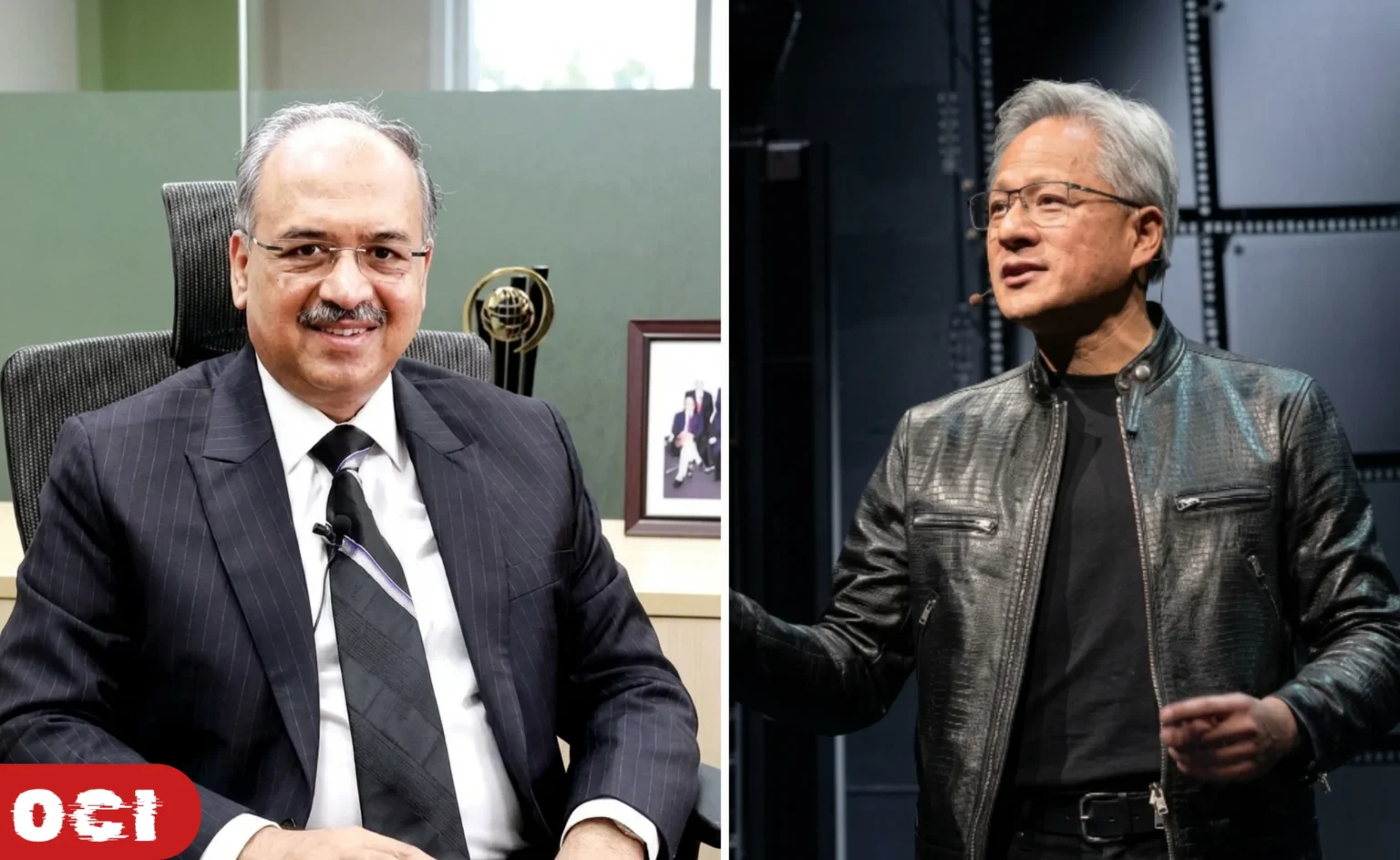
Dilip Shanghvi and Jensen Huang are billionaire entrepreneurs who built influential public companies in markedly different industries. Shanghvi founded India’s Sun Pharmaceutical Industries, while Huang co-founded the American computing company NVIDIA.
Despite their names appearing together in online searches and billionaire comparisons, no reliable public evidence shows a family relationship, joint company or significant direct business partnership between them. Their meaningful connection is that both are founder-led business figures whose fortunes are largely tied to companies they helped create.
Dilip Shanghvi and Jensen Huang at a Glance
| Detail | Dilip Shanghvi | Jensen Huang |
|---|---|---|
| Full name | Dilip Shantilal Shanghvi | Jen-Hsun “Jensen” Huang |
| Born | October 1, 1955 | February 17, 1963 |
| Best known for | Founding Sun Pharma | Co-founding NVIDIA |
| Company founded | Sun Pharmaceutical Industries | NVIDIA |
| Founding year | 1983 | 1993 |
| Primary industry | Pharmaceuticals | Semiconductors and artificial intelligence |
| Current leadership role | Executive Chairman of Sun Pharma | President and CEO of NVIDIA |
| Primary source of wealth | Sun Pharma ownership and investments | NVIDIA shareholding |
| Main business base | India | United States |
Are Dilip Shanghvi and Jensen Huang Connected?
There is no documented personal, family or formal corporate connection between Dilip Shanghvi and Jensen Huang. They lead separate companies operating in different sectors and countries.
Shanghvi’s work centers on pharmaceutical products, specialty medicines and international drug markets. Huang’s career centers on graphics processors, accelerated computing, data-center infrastructure and artificial intelligence.
Their names are most reasonably compared because both men:
- Founded companies that became multinational market leaders
- Retained senior leadership roles for decades
- Built most of their wealth through company ownership
- Used long-term acquisitions or technology investments to enter new markets
- Rank among the world’s wealthiest self-made entrepreneurs
Being included on the same wealth rankings does not establish a business relationship. No credible corporate disclosure identifies either man as a director, co-founder or major strategic investor in the other’s company.
Who Is Dilip Shanghvi?
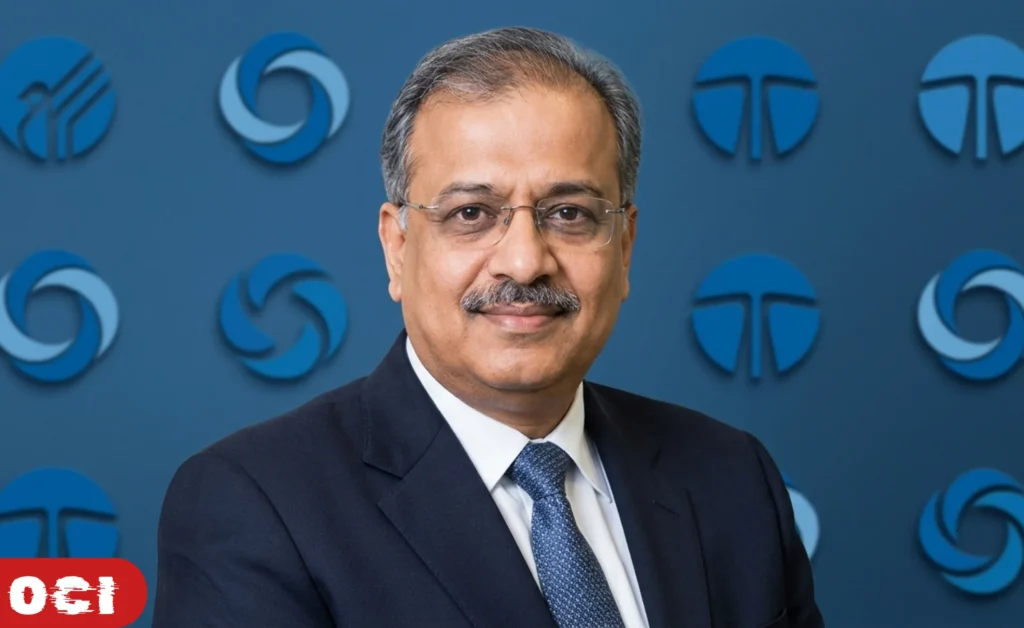
Dilip Shanghvi is an Indian entrepreneur and the founder of Sun Pharmaceutical Industries. He grew up around the pharmaceutical trade because his father distributed medicines.
Shanghvi founded Sun Pharma in 1983 with limited initial capital. The early business concentrated on psychiatric medicines before moving into other therapeutic categories and international markets.
The company pursued a growth strategy that combined internally developed products with acquisitions. These deals gave it manufacturing capacity, established products and access to additional countries.
Sun Pharma’s expansion eventually transformed it into India’s largest pharmaceutical company. Its business now covers innovative medicines, branded generics, conventional generics and active pharmaceutical ingredients.
According to Sun Pharma’s 2025–26 annual report, the company operates internationally and remains India’s largest pharmaceutical business. The report identifies Shanghvi as Executive Chairman rather than Managing Director, reflecting an important leadership change.
How Dilip Shanghvi Built Sun Pharma
Shanghvi did not build Sun Pharma through one breakthrough product. Its growth came through careful market selection, product development and multiple acquisitions.
Starting in specialized medicines
Sun Pharma initially focused on a narrow group of psychiatric products. Targeting a specialized therapeutic market helped the young company avoid competing across every pharmaceutical category at once.
It subsequently expanded into areas such as cardiology, neurology, gastroenterology and dermatology. The broader portfolio made the company less dependent on a single class of medicine.
Expanding through acquisitions
Acquisitions became a defining part of Sun Pharma’s development. The company bought or invested in businesses that provided manufacturing operations, drug portfolios and access to overseas markets.
Its largest transaction was the acquisition of Ranbaxy Laboratories. The deal significantly increased Sun Pharma’s scale but also brought operational and regulatory challenges that required years of attention.
Sun Pharma later placed greater emphasis on specialty products. These medicines generally address specific or complex conditions and may face less direct price competition than conventional generic drugs.
Preparing the next generation of leadership
Leadership at Sun Pharma has begun moving beyond its founder. Shanghvi became Executive Chairman, while Kirti Ganorkar took the position of Managing Director.
Shanghvi’s son, Aalok Shanghvi, serves as a whole-time director and chief operating officer. His daughter, Vidhi Shanghvi, is a whole-time director and leads the company’s consumer healthcare business.
These appointments indicate an organized succession process, although they do not by themselves establish who may eventually become the company’s top leader.
Who Is Jensen Huang?
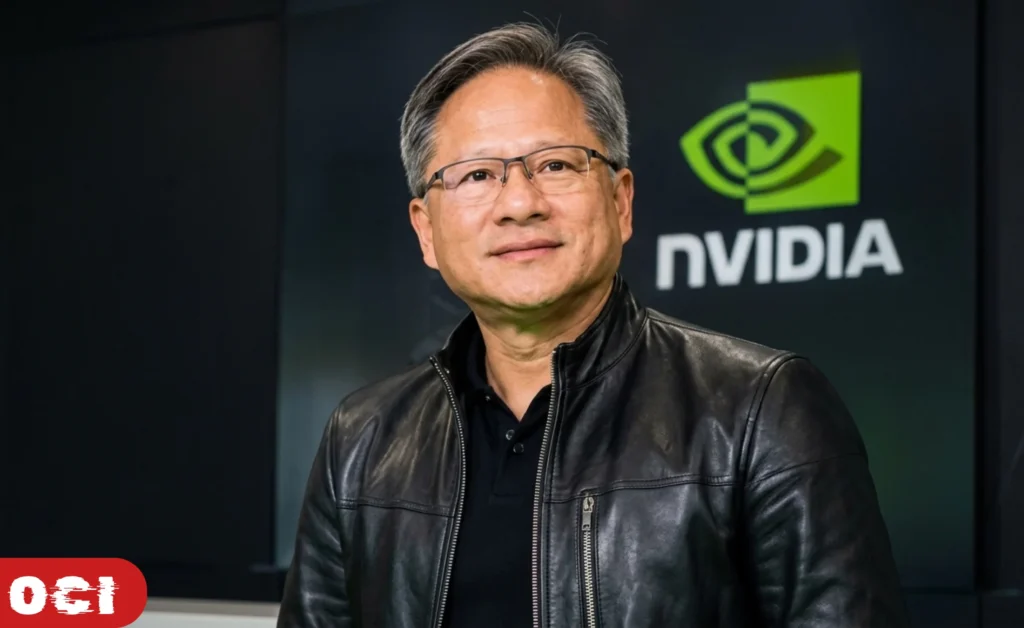
Jensen Huang is a Taiwanese-born American electrical engineer, entrepreneur and co-founder of NVIDIA. He founded the company in 1993 with engineers Chris Malachowsky and Curtis Priem.
Huang has led NVIDIA continuously since its creation. NVIDIA’s official executive biography identifies him as its founder and CEO, as well as president and a member of the board.
Before creating NVIDIA, Huang worked at semiconductor companies Advanced Micro Devices and LSI Logic. He earned an electrical engineering degree from Oregon State University and later completed a master’s degree at Stanford University.
His technical background distinguishes him from many founders known primarily for financing or marketing. Huang has remained closely involved in explaining NVIDIA’s computing architecture, product road maps and long-term strategy.
How Jensen Huang Built NVIDIA
NVIDIA was founded to develop technology for computer graphics. Its original opportunity came from the growing demand for more realistic graphics in personal computers and video games.
Establishing the GPU market
NVIDIA helped popularize the graphics processing unit, or GPU. A GPU performs many calculations simultaneously, making it suitable for producing complex images efficiently.
The gaming industry drove much of NVIDIA’s early growth. However, researchers later discovered that the parallel-processing capabilities of GPUs were valuable for scientific computing and machine learning.
Investing in accelerated computing
NVIDIA introduced CUDA in 2006, giving developers a platform for using its GPUs for purposes beyond graphics. This investment helped create an ecosystem of software, libraries and trained developers around NVIDIA hardware.
The decision took years to produce its full commercial effect. When artificial intelligence models began requiring enormous computing resources, NVIDIA already had suitable processors and an established software platform.
NVIDIA consequently evolved from a graphics-chip supplier into a provider of AI infrastructure. Its products are now used in data centers, autonomous systems, robotics, scientific research and generative AI.
For its fiscal 2026, NVIDIA reported record revenue of $215.9 billion, a 65% increase from the preceding year, in the company’s official annual results announcement. That performance demonstrates the scale of demand created by the global expansion of AI computing.
Sun Pharma and NVIDIA Compared
Pharma and NVIDIA both became multinational companies, but their products, customers and business risks differ considerably.
| Business factor | Sun Pharma | NVIDIA |
|---|---|---|
| Core offering | Pharmaceutical products | Computing hardware, systems and software |
| Principal customers | Healthcare providers, distributors, pharmacies and patients | Cloud providers, technology companies, governments and developers |
| Growth foundation | Therapeutic expansion and acquisitions | GPU development and accelerated-computing platforms |
| Important competitive factors | Drug development, manufacturing, regulation and distribution | Chip design, software ecosystems, performance and production capacity |
| Major risks | Clinical outcomes, regulation, patents and manufacturing quality | Technology cycles, export controls, supply constraints and competitors |
| Founder’s 2026 role | Executive Chairman | President and CEO |
Sun Pharma sells products in a tightly regulated healthcare environment. Bringing a medicine to market can require clinical evidence, regulatory authorization and continuing safety monitoring. Generic-drug companies must also manage pricing pressure and manufacturing standards.
NVIDIA operates in a technology market where product performance and development speed are critical. It designs chips but relies on external manufacturing partners, creating exposure to semiconductor supply chains and geopolitical restrictions.
How Their Leadership Styles Differ
Both founders are associated with long-term strategic thinking, but their public leadership styles are distinct.
Shanghvi has generally maintained a lower public profile. His business record reflects disciplined expansion, acquisition analysis and attention to pharmaceutical markets that can support sustained demand.
Huang is a highly visible spokesperson for NVIDIA. He regularly delivers lengthy technical presentations, discusses computing trends and promotes the concept of AI factories—data centers designed to produce artificial-intelligence outputs at scale.
The contrast should not be interpreted as evidence that one approach is superior. Pharmaceutical manufacturing and AI computing require different forms of communication, risk management and stakeholder engagement.
Dilip Shanghvi and Jensen Huang’s Net Worth
Jensen Huang is substantially wealthier than Dilip Shanghvi according to major billionaire rankings published in 2026. However, net-worth figures for both men are estimates rather than audited personal balance sheets.
Huang’s fortune is dominated by his ownership of NVIDIA shares. Because NVIDIA’s share price can move sharply, his estimated wealth may gain or lose billions of dollars over a short period.
Shanghvi’s wealth is primarily connected to his interests in Sun Pharma and other investments. Changes in Sun Pharma’s market capitalization, ownership calculations and asset valuations can therefore affect published estimates of his fortune.
Fixed-date 2026 rankings have generally placed Shanghvi’s wealth in the mid-$20 billion range. Huang’s estimated fortune has ranged much higher, with some real-time calculations approaching $200 billion as NVIDIA’s valuation increased.
These numbers should always be accompanied by a valuation date. They do not represent cash held in a bank account, and they may change with stock prices, share sales, private assets, liabilities or revisions to a ranking provider’s methodology.
What Explains the Wealth Difference?
The difference does not simply show that technology is “better” than pharmaceuticals. It primarily reflects company valuations and the value of each founder’s ownership.
NVIDIA’s market value rose rapidly as companies and governments invested in AI infrastructure. Huang’s large personal stake meant that this increase had a direct effect on estimates of his wealth.
Sun Pharma is a major global drug manufacturer, but pharmaceutical companies are valued under different conditions. Regulatory risks, patent periods, development costs and pricing pressures influence how investors value their future earnings.
Huang’s higher estimated fortune therefore reflects NVIDIA’s exceptional stock-market growth and his continuing share ownership, not a straightforward comparison of salary or annual company revenue.
Education and Early Career
Shanghvi earned a commerce degree from the University of Calcutta. Rather than training as a pharmaceutical scientist, he developed industry knowledge through his family’s medicine-distribution business and his own commercial experience.
Huang studied electrical engineering at Oregon State University and Stanford University. His employment at AMD and LSI Logic gave him semiconductor experience before NVIDIA was formed.
Their educational paths mirror the industries they entered. Shanghvi approached pharmaceuticals through distribution, market selection and business building, while Huang entered computing through engineering and chip development.
Family and Succession
Shanghvi is married to Vibha Shanghvi, and they have two children, Aalok and Vidhi. Both children hold senior roles at Sun Pharma, making succession a significant subject for investors and business observers.
Huang is married to Lori Huang, whom he met while studying at Oregon State University. They have two children. Public corporate disclosures have identified family members working at NVIDIA, but Huang continues to hold the company’s central executive role.
It would be inaccurate to assume that employment of founders’ relatives guarantees future control. Board decisions, performance, ownership, governance requirements and succession planning all affect leadership transitions at public companies.
What Dilip Shanghvi and Jensen Huang Have in Common
Although their industries differ, their careers reveal several shared principles.
Long-term founder involvement
Both remained involved with their companies long after the start-up stage. Their continued presence provided strategic continuity as Sun Pharma and NVIDIA expanded.
Willingness to enter difficult markets
Shanghvi entered specialized pharmaceutical segments and completed acquisitions that required complex integration. Huang invested in accelerated computing before AI demand made its commercial potential widely apparent.
Wealth based on ownership
Neither man’s fortune is explained primarily by executive salary. Their wealth arose largely from retaining meaningful interests in growing public companies.
Global expansion
Sun Pharma moved beyond India through products, facilities and acquisitions. NVIDIA built an international ecosystem of manufacturers, developers, cloud providers and enterprise customers.
Adaptation beyond the original business
Sun Pharma developed from a small psychiatric-drug company into a diversified global pharmaceutical group. NVIDIA developed from a graphics specialist into an AI infrastructure company.
Frequently Asked Questions
1. Are Dilip Shanghvi and Jensen Huang business partners?
No major partnership between the two men has been publicly documented. They founded unrelated companies in pharmaceuticals and computing.
2. Who is richer, Dilip Shanghvi or Jensen Huang?
Jensen Huang is considerably wealthier according to 2026 billionaire estimates. Exact values fluctuate because much of each man’s wealth is connected to publicly traded shares.
3. What companies did Dilip Shanghvi and Jensen Huang found?
Dilip Shanghvi founded Sun Pharmaceutical Industries in 1983. Jensen Huang co-founded NVIDIA with Chris Malachowsky and Curtis Priem in 1993.
4. Is Dilip Shanghvi still the managing director of Sun Pharma?
No. Sun Pharma’s 2025–26 reporting identifies Shanghvi as Executive Chairman and Kirti Ganorkar as Managing Director.
5. Is Jensen Huang the sole founder of NVIDIA?
No. NVIDIA was co-founded by Jensen Huang, Chris Malachowsky and Curtis Priem. Huang has served as its chief executive from the company’s beginning.
6. Why are Dilip Shanghvi and Jensen Huang compared?
They are compared because both are billionaire founders who retained leadership and ownership interests in globally significant public companies. There is no verified family relationship or special corporate connection behind the comparison.
Dilip Shanghvi and Jensen Huang ultimately represent two different routes to building a global enterprise. Shanghvi expanded through pharmaceutical specialization and acquisitions, while Huang combined processor design with a long-term software strategy that positioned NVIDIA at the center of the AI boom.
Read more at Official Celeberity Info